

Discover easy, delicious recipes, helpful cooking tips, and inspiring meal ideas for every occasion. From comforting classics to exciting new flavors, Tofahaa helps you create memorable dishes with confidence.
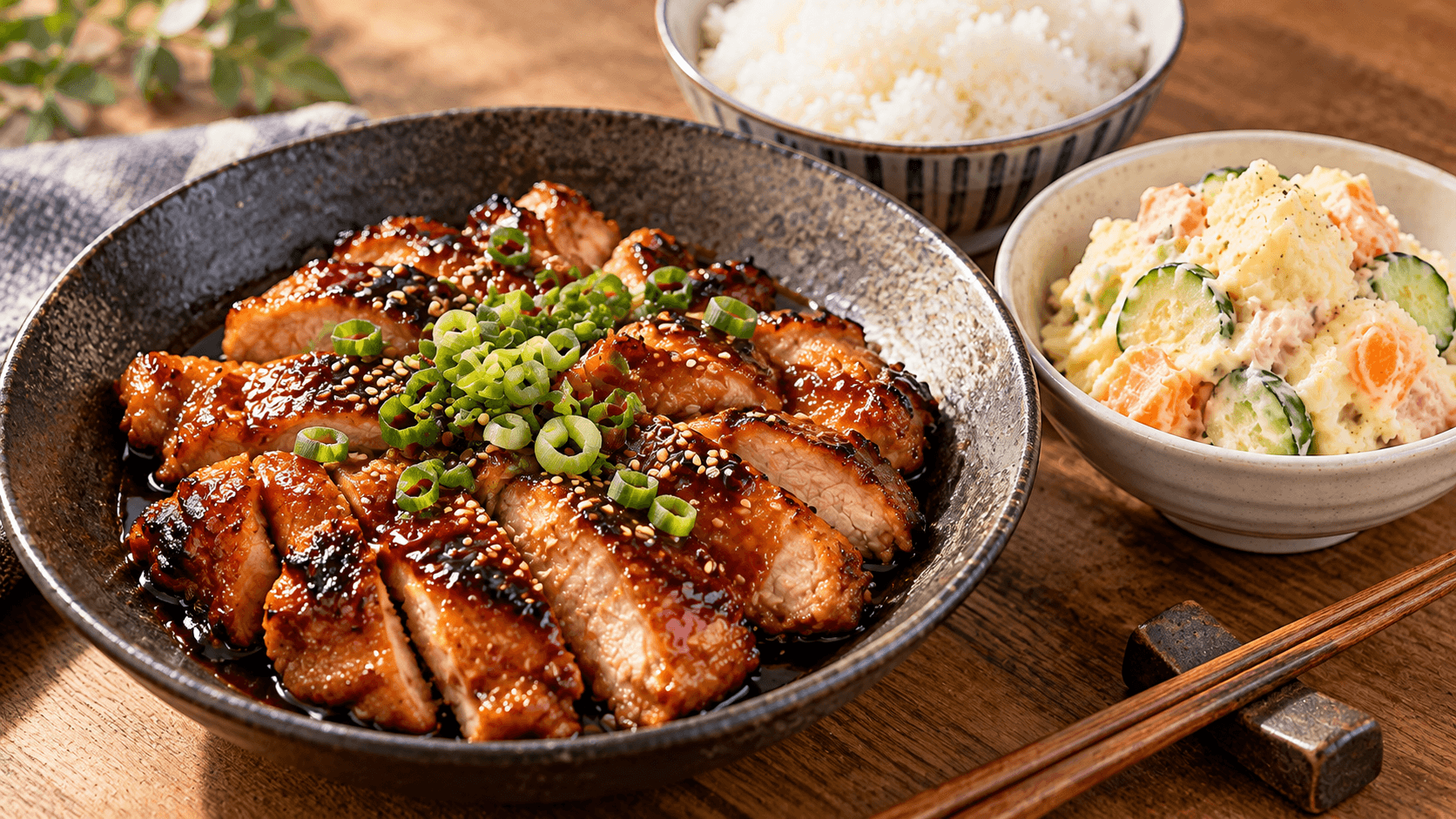
◾ Chicken Teriyaki with Japanese Potato Salad is a delicious Japanese-inspired dinner that brings together juicy chicken coated in a glossy, sweet-and-savory teriyaki sauce and creamy Japanese potato salad. The chicken delivers rich umami flavor with hints of soy sauce, ginger, and garlic, while the potato salad adds a refreshing contrast with tender potatoes, crunchy cucumber, carrots, and creamy Japanese mayonnaise.
◾ This easy chicken teriyaki recipe is perfect for busy weeknights when you want a homemade meal that feels special without requiring complicated techniques. The teriyaki sauce comes together with simple pantry ingredients, and the Japanese potato salad can be prepared while the chicken cooks, making the meal practical for family dinners or weekend lunches.
◾ If you're looking for a flavorful Japanese chicken dinner, this combination is worth adding to your meal rotation. Serve the chicken over steamed rice with a generous spoonful of Japanese potato salad on the side for a balanced, satisfying plate inspired by classic Japanese home cooking.
Sweet and savory flavor: The homemade teriyaki glaze combines soy sauce, mirin, sugar, ginger, and garlic for a rich, glossy finish.
Creamy Japanese potato salad: Soft potatoes, crisp vegetables, and Japanese mayonnaise create a comforting side dish with a slightly tangy taste.
Easy weeknight dinner: Both components use everyday cooking techniques and can be prepared in about 45 minutes.
Great for meal prep: The potato salad can be made ahead, allowing you to focus on cooking the chicken before serving.
Family-friendly meal: Serve it with rice and vegetables for a satisfying dinner that can be adapted to different tastes.
Better homemade flavor: Making the teriyaki sauce yourself lets you adjust the sweetness and saltiness to your preference.

Use chicken thighs for extra juiciness. Boneless thighs are forgiving and remain tender during cooking. Chicken breasts work well too, but avoid overcooking them.
Dry the chicken before searing. Removing surface moisture encourages browning and creates more flavorful edges.
Balance the sauce carefully. Mirin and brown sugar add sweetness, while soy sauce provides saltiness and umami. Taste the glaze before thickening it.
Remove excess water from the vegetables. Salting and squeezing the cucumber and onion prevents liquid from diluting the potato salad.
Add mayonnaise after the potatoes cool slightly. Very hot potatoes can make the dressing oily or thinner than intended.
Prepare the side dish ahead. Japanese potato salad tastes especially good after chilling for at least 30 minutes, so make it first while you prepare the chicken.
Chicken thighs instead of breasts: Thighs provide richer flavor and a juicier texture. Adjust cooking time according to thickness.
No mirin: Use a mixture of water and a little extra sugar, though the sauce will lack some of mirin's distinctive flavor. Alternatively, use a nonalcoholic mirin-style seasoning.
No sake: Replace it with water or low-sodium chicken broth.
Low-sodium soy sauce: This is a good option if you prefer a less salty sauce. Taste before adding any extra salt.
Gluten-free option: Use certified gluten-free tamari instead of regular soy sauce and verify that the other packaged ingredients are gluten-free.
Spicy teriyaki: Add a pinch of red pepper flakes or a little chili sauce for gentle heat.
Japanese mayonnaise: Kewpie-style mayonnaise gives the salad a rich, slightly tangy flavor. Regular mayonnaise works as a substitute.
Potato texture: Yukon Gold potatoes produce a creamy salad, while russet potatoes give a fluffier, softer result.
Add hard-boiled eggs: Chop one or two cooled hard-boiled eggs into the salad for additional richness.
Add green peas: A small handful of thawed peas adds color and a mild sweetness.
Make it dairy-free: The recipe is naturally dairy-free when prepared with dairy-free mayonnaise and suitable packaged ingredients.
▶️ Hello Fresh Burger Recipes: Cheesy Smashed Burgers with Special Sauce
Chicken teriyaki: Place the chicken and sauce in a shallow, airtight container and refrigerate within two hours of cooking. Use within 3–4 days.
Japanese potato salad: Refrigerate in a separate airtight container and use within 3–4 days. Keep it chilled when serving.
Rice: Refrigerate promptly in a shallow container and use within 3–4 days. Cool and store it quickly rather than leaving it at room temperature.
For food safety, keep the refrigerator at 40°F (4°C) or below. Discard perishable food that has been left at room temperature for more than two hours, or one hour when the temperature is above 90°F (32°C).
Place the chicken and sauce in a skillet over medium-low heat. Add a splash of water if the sauce has thickened too much, cover, and heat until the chicken reaches 165°F (74°C).
You can also microwave it in a covered, microwave-safe container, stirring or turning the pieces partway through to heat evenly.
The cooked chicken teriyaki can be frozen in an airtight freezer-safe container for best quality for about 2–3 months. Thaw it in the refrigerator before reheating.
Freezing is not recommended for the Japanese potato salad because mayonnaise-based dressing and cooked potatoes can develop a watery or grainy texture after thawing. Prepare the salad fresh or refrigerate it separately.
Overcooking the chicken: Dry chicken loses the tender texture that makes teriyaki so appealing. Use a food thermometer and remove the chicken from the heat once it reaches 165°F (74°C).
Burning the teriyaki glaze: The sauce contains sugar, so it can scorch if the heat is too high. Reduce the heat after searing and simmer gently.
Making watery potato salad: Cucumber and onion release moisture as they sit. Salt them briefly and squeeze out excess liquid before mixing.
Adding mayonnaise to piping-hot potatoes: Let the potatoes cool until warm to help maintain a creamy, cohesive dressing.
Over-mashing the potatoes: Japanese potato salad is usually creamy but retains some texture. Mash roughly and fold in the dressing gently.
Japanese potato salad typically includes cooked potatoes, cucumber, carrot, onion, and Japanese mayonnaise. The potatoes are partially mashed to create a creamy texture with small chunks. Some versions also include hard-boiled eggs or green peas.
Yes. Replace the mirin with water and a small amount of additional sugar, or use a nonalcoholic mirin-style seasoning. The sauce will taste slightly different because mirin contributes both sweetness and a distinctive depth of flavor.
Yes. You can prepare the sauce and chop the ingredients ahead. You can also cook the chicken in advance and refrigerate it with its sauce, then reheat it gently before serving. For the freshest texture, make the chicken on the day you plan to serve it.
Japanese potato salad is usually served chilled or cool. Refrigerating it for at least 30 minutes allows the flavors to blend and gives the dressing time to settle into the potatoes.
Boneless, skinless chicken thighs are an excellent choice because they stay juicy and have a rich flavor. Chicken breasts are a leaner alternative and work well when cooked carefully to avoid drying them out.
Yes. Use gluten-free tamari in place of soy sauce, and check the labels on your mirin-style seasoning, mayonnaise, and other packaged ingredients. Serve with plain rice and confirm that any additional sauces or seasonings are gluten-free.
▶️ Korean Fried Chicken – Crispy, Crunchy & Sweet Spicy Delight
Chicken Teriyaki with Japanese Potato Salad is an easy, satisfying dinner that combines tender chicken, a glossy homemade teriyaki glaze, and creamy Japanese-style potato salad. Serve it with steamed rice and fresh vegetables for a comforting meal that brings Japanese-inspired flavors to your home kitchen.
Make this recipe for your next weeknight dinner, save it for meal prep, or share it with family and friends. Explore more easy meal ideas and helpful cooking tips on Tofahaa – Quick & Tasty Recipes.
◾ Chicken Teriyaki with Japanese Potato Salad is a delicious Japanese-inspired dinner that brings together juicy chicken coated in a glossy, sweet-and-savory teriyaki sauce and creamy Japanese potato salad. The chicken delivers rich umami flavor with hints of soy sauce, ginger, and garlic, while the potato salad adds a refreshing contrast with tender potatoes, crunchy cucumber, carrots, and creamy Japanese mayonnaise.
◾ This easy chicken teriyaki recipe is perfect for busy weeknights when you want a homemade meal that feels special without requiring complicated techniques. The teriyaki sauce comes together with simple pantry ingredients, and the Japanese potato salad can be prepared while the chicken cooks, making the meal practical for family dinners or weekend lunches.
◾ If you're looking for a flavorful Japanese chicken dinner, this combination is worth adding to your meal rotation. Serve the chicken over steamed rice with a generous spoonful of Japanese potato salad on the side for a balanced, satisfying plate inspired by classic Japanese home cooking.
Sweet and savory flavor: The homemade teriyaki glaze combines soy sauce, mirin, sugar, ginger, and garlic for a rich, glossy finish.
Creamy Japanese potato salad: Soft potatoes, crisp vegetables, and Japanese mayonnaise create a comforting side dish with a slightly tangy taste.
Easy weeknight dinner: Both components use everyday cooking techniques and can be prepared in about 45 minutes.
Great for meal prep: The potato salad can be made ahead, allowing you to focus on cooking the chicken before serving.
Family-friendly meal: Serve it with rice and vegetables for a satisfying dinner that can be adapted to different tastes.
Better homemade flavor: Making the teriyaki sauce yourself lets you adjust the sweetness and saltiness to your preference.
Use chicken thighs for extra juiciness. Boneless thighs are forgiving and remain tender during cooking. Chicken breasts work well too, but avoid overcooking them.
Dry the chicken before searing. Removing surface moisture encourages browning and creates more flavorful edges.
Balance the sauce carefully. Mirin and brown sugar add sweetness, while soy sauce provides saltiness and umami. Taste the glaze before thickening it.
Remove excess water from the vegetables. Salting and squeezing the cucumber and onion prevents liquid from diluting the potato salad.
Add mayonnaise after the potatoes cool slightly. Very hot potatoes can make the dressing oily or thinner than intended.
Prepare the side dish ahead. Japanese potato salad tastes especially good after chilling for at least 30 minutes, so make it first while you prepare the chicken.
Chicken thighs instead of breasts: Thighs provide richer flavor and a juicier texture. Adjust cooking time according to thickness.
No mirin: Use a mixture of water and a little extra sugar, though the sauce will lack some of mirin's distinctive flavor. Alternatively, use a nonalcoholic mirin-style seasoning.
No sake: Replace it with water or low-sodium chicken broth.
Low-sodium soy sauce: This is a good option if you prefer a less salty sauce. Taste before adding any extra salt.
Gluten-free option: Use certified gluten-free tamari instead of regular soy sauce and verify that the other packaged ingredients are gluten-free.
Spicy teriyaki: Add a pinch of red pepper flakes or a little chili sauce for gentle heat.
Japanese mayonnaise: Kewpie-style mayonnaise gives the salad a rich, slightly tangy flavor. Regular mayonnaise works as a substitute.
Potato texture: Yukon Gold potatoes produce a creamy salad, while russet potatoes give a fluffier, softer result.
Add hard-boiled eggs: Chop one or two cooled hard-boiled eggs into the salad for additional richness.
Add green peas: A small handful of thawed peas adds color and a mild sweetness.
Make it dairy-free: The recipe is naturally dairy-free when prepared with dairy-free mayonnaise and suitable packaged ingredients.
▶️ Hello Fresh Burger Recipes: Cheesy Smashed Burgers with Special Sauce
Chicken teriyaki: Place the chicken and sauce in a shallow, airtight container and refrigerate within two hours of cooking. Use within 3–4 days.
Japanese potato salad: Refrigerate in a separate airtight container and use within 3–4 days. Keep it chilled when serving.
Rice: Refrigerate promptly in a shallow container and use within 3–4 days. Cool and store it quickly rather than leaving it at room temperature.
For food safety, keep the refrigerator at 40°F (4°C) or below. Discard perishable food that has been left at room temperature for more than two hours, or one hour when the temperature is above 90°F (32°C).
Place the chicken and sauce in a skillet over medium-low heat. Add a splash of water if the sauce has thickened too much, cover, and heat until the chicken reaches 165°F (74°C).
You can also microwave it in a covered, microwave-safe container, stirring or turning the pieces partway through to heat evenly.
The cooked chicken teriyaki can be frozen in an airtight freezer-safe container for best quality for about 2–3 months. Thaw it in the refrigerator before reheating.
Freezing is not recommended for the Japanese potato salad because mayonnaise-based dressing and cooked potatoes can develop a watery or grainy texture after thawing. Prepare the salad fresh or refrigerate it separately.
Overcooking the chicken: Dry chicken loses the tender texture that makes teriyaki so appealing. Use a food thermometer and remove the chicken from the heat once it reaches 165°F (74°C).
Burning the teriyaki glaze: The sauce contains sugar, so it can scorch if the heat is too high. Reduce the heat after searing and simmer gently.
Making watery potato salad: Cucumber and onion release moisture as they sit. Salt them briefly and squeeze out excess liquid before mixing.
Adding mayonnaise to piping-hot potatoes: Let the potatoes cool until warm to help maintain a creamy, cohesive dressing.
Over-mashing the potatoes: Japanese potato salad is usually creamy but retains some texture. Mash roughly and fold in the dressing gently.
Japanese potato salad typically includes cooked potatoes, cucumber, carrot, onion, and Japanese mayonnaise. The potatoes are partially mashed to create a creamy texture with small chunks. Some versions also include hard-boiled eggs or green peas.
Yes. Replace the mirin with water and a small amount of additional sugar, or use a nonalcoholic mirin-style seasoning. The sauce will taste slightly different because mirin contributes both sweetness and a distinctive depth of flavor.
Yes. You can prepare the sauce and chop the ingredients ahead. You can also cook the chicken in advance and refrigerate it with its sauce, then reheat it gently before serving. For the freshest texture, make the chicken on the day you plan to serve it.
Japanese potato salad is usually served chilled or cool. Refrigerating it for at least 30 minutes allows the flavors to blend and gives the dressing time to settle into the potatoes.
Boneless, skinless chicken thighs are an excellent choice because they stay juicy and have a rich flavor. Chicken breasts are a leaner alternative and work well when cooked carefully to avoid drying them out.
Yes. Use gluten-free tamari in place of soy sauce, and check the labels on your mirin-style seasoning, mayonnaise, and other packaged ingredients. Serve with plain rice and confirm that any additional sauces or seasonings are gluten-free.
▶️ Korean Fried Chicken – Crispy, Crunchy & Sweet Spicy Delight
Chicken Teriyaki with Japanese Potato Salad is an easy, satisfying dinner that combines tender chicken, a glossy homemade teriyaki glaze, and creamy Japanese-style potato salad. Serve it with steamed rice and fresh vegetables for a comforting meal that brings Japanese-inspired flavors to your home kitchen.
Make this recipe for your next weeknight dinner, save it for meal prep, or share it with family and friends. Explore more easy meal ideas and helpful cooking tips on Tofahaa – Quick & Tasty Recipes.

✨ We share quick, delicious, and easy-to-follow recipes made with everyday ingredients, helping you create tasty homemade meals with confidence and joy. Happy cooking!
Sign up to receive email updates on new recipes.
Every recipe tells a story, and every meal brings people together. Tofahaa is your trusted source for tasty recipes, cooking inspiration, and practical kitchen advice that helps turn everyday ingredients into memorable homemade meals.
Discover easy, delicious, and healthy recipes for every occasion. Step-by-step guides, meal ideas, and cooking tips for home chefs of all levels.


